
Everything you need to know on how to access mental health resources in Japan.
As a foreigner, you might think that accessing mental health resources in Japan is difficult due to language barriers, cultural differences, or simply a lack of information. However, Japan has a well-structured and developed healthcare system, so rest assured: help is available, and you can easily access it if you know where to look.
How can I find Mental Clinics in Japan?
There are many clinics offering psychiatric services (精神科/seishinka) in Japan. Common reasons people seek this specialty include anxiety, depression, and stress-related concerns, often linked to Japan’s work culture and high societal expectations.
Another common field in Japan when searching for mental health services is psychosomatic medicine (心療内科/shinryō naika), which deals with physical symptoms caused by psychological stress.
Although psychiatry and psychosomatic medicine are technically different specialties, most mental clinics in Japan provide both, and in practice, the words are used interchangeably, so patients usually don’t need to worry about the difference. You may also simply search for ‘mental clinic‘ (メンタルクリニック) for a broader and more general term.
In Sum, to find a mental health clinic in Japan (psychiatry), you may search for 精神科, 心療内科 or メンタルクリニック. You can also search in English, as more and more clinics are starting to offer this service in English on their websites.
At Roppongi Clinic, we believe in a holistic approach to mental health, recognizing the connection between body and mind. We will listen to your concerns and work together to determine the best course of treatment.
Language Assistance / Japanese Health Insurance
Depending on the region, you may need to hire a translator to accompany you. However, in Tokyo, there is an increasing number of clinics offering services in English, making it easier to find support. Some of these clinics accept National Health Insurance (NHI), which can make the cost more affordable.
When searching for psychiatric clinics, be sure to check whether they accept NHI (which covers 70% of the costs) and if they have translators or bilingual doctors available everyday. Some clinics may also charge extra for services in English, so it’s important to be aware of that.
At Roppongi Clinic, we have English support available everyday at no additional cost, and we accept NHI.
ADHD Testing, Diagnosis and Treatment
The demand for ADHD diagnosis has been increasing not only in Japan but worldwide. To distinguish ADHD from conditions with overlapping or comorbid symptoms, many people seek a formal diagnosis.
Can I get tested for ADHD in Japan? How can I get an ADHD diagnosis in Japan?
You can get tested for ADHD in Japan, and some clinics offer this service in English. However, not many clinics test adults, so be sure to confirm this beforehand. Additionally, only medical doctors can provide a formal diagnosis in Japan, so if you take the test at a psychology facility, they may not be able to give you an official diagnosis.
If you suspect you have ADHD, the first step is to consult with a doctor. The psychiatrist will assess whether testing is necessary and recommend the best treatment plan for you.
At Roppongi Clinic, we offer testing and diagnosis at an affordable price, and our doctors and therapists will work together to provide the best treatment for ADHD.
ADHD Treatment in Japan
Regarding treatment, the approach may differ from what you’re accustomed to in your home country, and not all medications you’re familiar with may be available. It’s important to come with an open mind and be willing to try different approaches until you find the right one for you. You may need a formal diagnosis to receive medication, so we recommend getting diagnosed in Japan.
If you need treatment but do not live in Tokyo, you can visit our clinic for a diagnosis, and we can provide a referral letter so you can receive medication at a clinic near you.
Diagnosis letter / Doctor’s Note
How to get work/school accomodations in Japan for your mental health
Some companies may offer special accommodations if you have ADHD, autism or other conditions. To receive them, you might need a diagnosis letter (診断書/shindansho). You can request this letter after receiving a diagnosis from your doctor, but an additional fee may apply.
Can I get Mental Health leave in Japan?
You can obtain a medical certificate/doctor’s note (休職診断書/kyuushoku shindansho) from your doctor to take a leave of absence from work and focus on your recovery. Please note that there is a fee for issuing the certificate. Additionally, check your workplace’s policies regarding absences, as you may not receive salary payments while on leave.
However, depending on your insurance provider, you may be eligible to receive part of your salary through a sickness allowance (傷病手当/shoubyou teate) while you’re off work, so please contact them for more information on the documents needed.
If you need either of these documents (medical certificate or sickness allowance), be sure to request them during your visit to the psychiatrist. Keep in mind that you might need to see the doctor regularly to get these benefits, depending on your case.
At Roppongi Clinic, we can issue a doctor’s note for mental health leave on the same day as the consultation, as we believe that taking appropriate time off work is an important part of treatment.
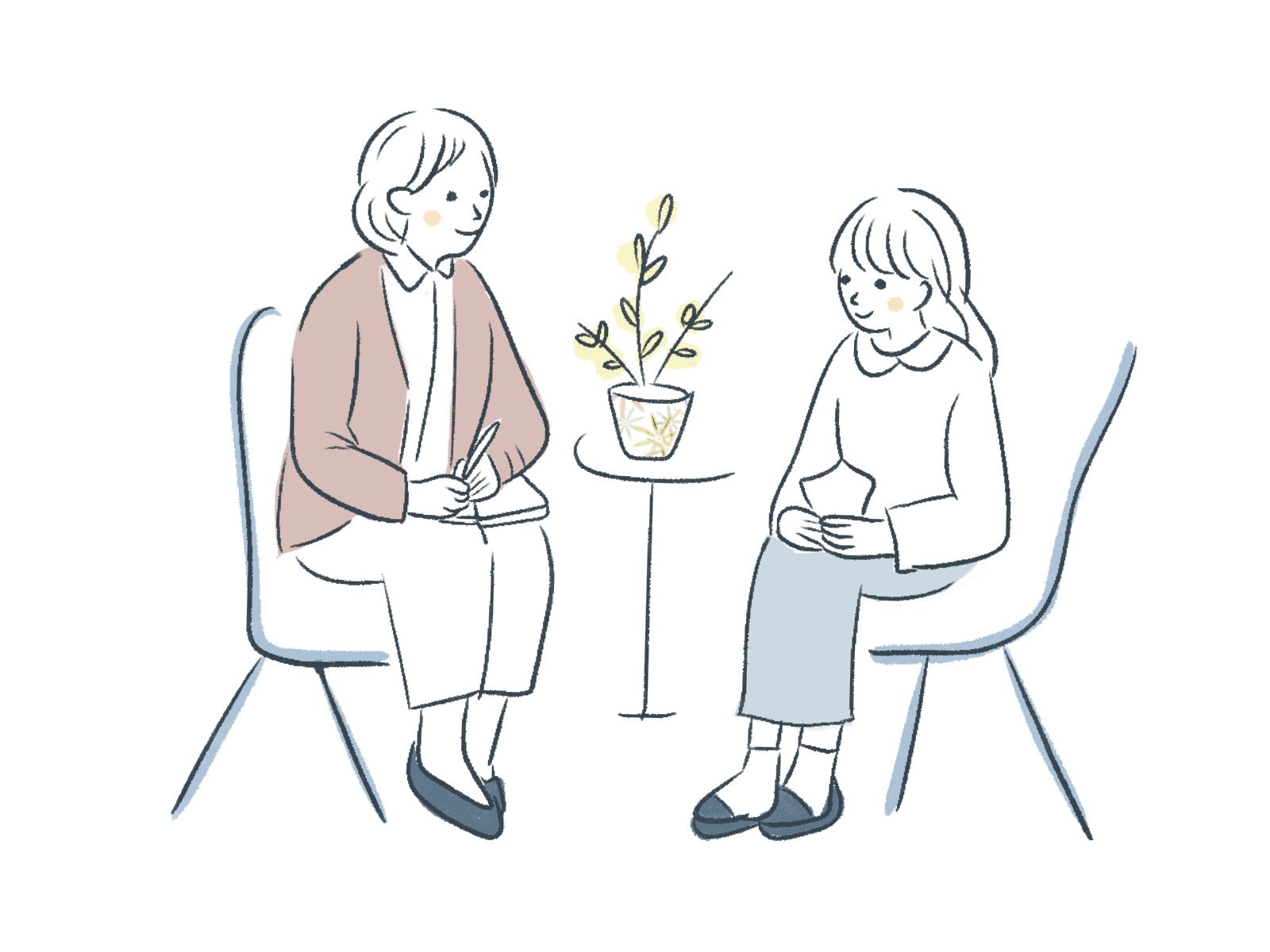
Therapy in Japan
You can always access online therapy from your home country, but not everyone prefers this format, and time zone differences can make scheduling difficult. Nowadays, many clinics recognize the benefits of providing therapy in the patient’s native language, so many offer services in English, as well as other languages.
Please note that therapy is not covered by National Health Insurance in Japan, so prices vary depending on the clinic.
At Roppongi Clinic, we follow Japanese pricing, making our fees up to 60% cheaper compared to other international places, and we currently offer therapy in Japanese, English, Spanish, Korean, and Portuguese.
Government initiatives
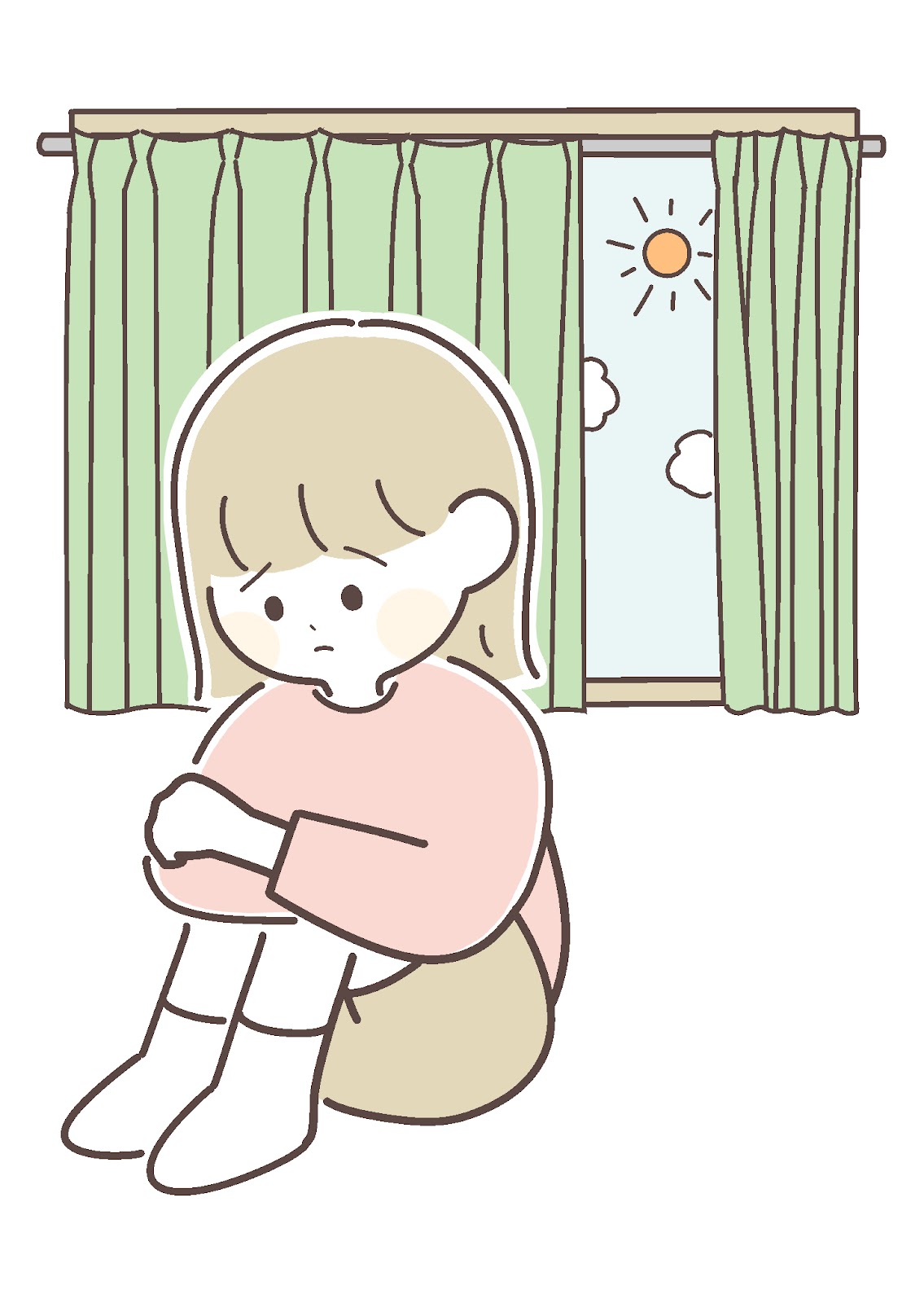
As a highly collectivist society, Japan has often prioritized the overall well-being of the group over individual needs. Many Japanese people may feel that they should not burden others with their problems, keeping everything to themselves. These factors may have contributed to Japan’s high suicide rates and general mental health issues. Japan is also known for its high incidence of hikikomori (引きこもり)—individuals who withdraw from society and remain confined to their homes for extended periods—as many people do not seek help.
As these issues arise, the Japanese government has taken a few steps in recent years to address them. This includes the creation of mental health hotlines like Yorisoi (https://www.since2011.net/yorisoi/en/). They have multiple language support and can help you with different issues regarding life in Japan.