
Anxiety Disorders
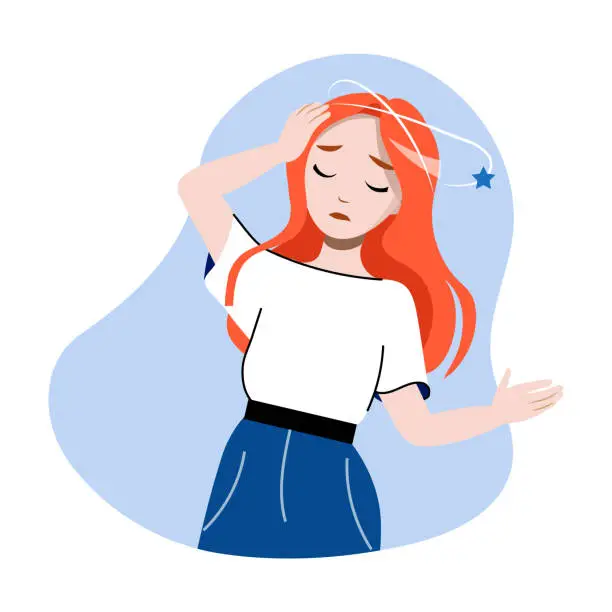
What is anxiety?
Anxiety is a natural reaction designed to alert us to potential dangers and threats, prompting us to be cautious. This signal helps us prepare for or avoid danger or crisis.
While everyone experiences anxiety to some degree, someone who suffers from an anxiety disorder tends to feel these signals much more intensely. It may cause you to feel anxious or fearful in situations that are not dangerous or threatening, disrupting daily life.
These disruptions may involve avoiding certain tasks or responsibilities, decreased performance at work and/or problems with family or friends.
As people respond to treatments differently, it is important to tailor an individual treatment plan. For anxiety disorders, psychotherapy and CBT tend to be more effective than medications. Antidepressants and anti-anxiety medications are available as well, and usually work best when used in conjunction with therapy.
If you think you may have an anxiety disorder, you can try our simple quick-test by visiting this page.
Depression
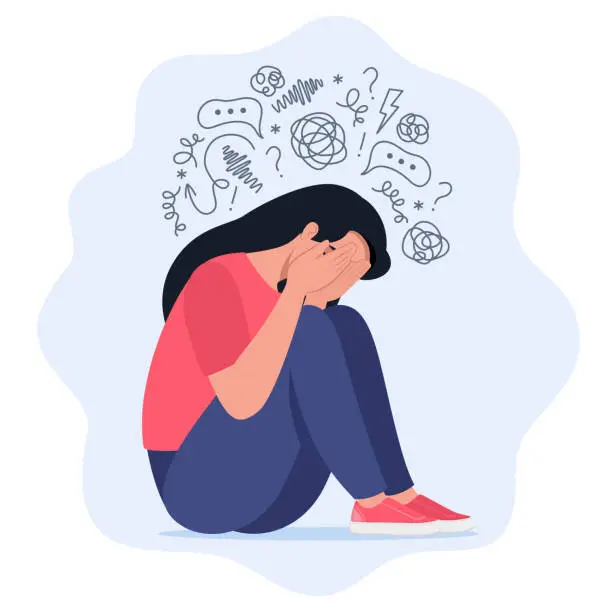
Depression not only affects your brain and how you feel, but also affects your physical health.
With proper diagnosis and treatment, depression can be effectively managed and even cured.
What is depression?
Depression is an illness where you can feel intensely down, hopeless, lack energy and motivation, and lose interest in things you used to enjoy. Physical symptoms like insomnia, fatigue, and feeling aches or heaviness in your body may also show up. Prolonged distress can significantly disrupt daily life.
Depression is sometimes grouped under mood disorders, which include Major Depressive Disorder (MDD) and Bipolar Disorder. Depression typically refers to MDD, and may also be called “unipolar depression” because you only experience depressive symptoms. Bipolar disorder, on the other hand, involves cycling between depressive and manic (or hypomanic) states.
Depression generally stems from two main causes. One is reactive depression, triggered by complex interplays of environment, daily life, and thought patterns, often influenced heavily by stress or experience of loss.
Depression can lead to thoughts of self-harm or suicide, making early diagnosis and intervention crucial. If you suspect you’re experiencing symptoms of depression, it’s advisable to seek medical attention promptly.
Our website offers a simple checklist for depression. Feel free to use it if you suspect you may be depressed.
Sleep Disorders
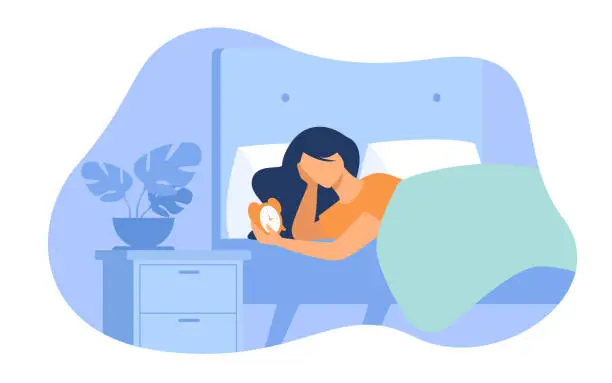
What is Sleep Disorder?
Sleep Disorders include many types of sleep disruptions, such as insomnia and night terrors.
Your lifestyle plays a large role in the quality of your sleep. Insomnia, often defined by difficulty falling or staying asleep, is a common issue that affects many people at some point in their lives. You can improve your quality of sleep by developing a consistent sleep routine. If you find it challenging to do this on your own, you may want to consider seeking help.
Night terrors in adults, characterized by intense fear while sleeping, can be caused by anxiety and/or excessive stress. It can also be a symptom of PTSD.
In such cases, it takes longer to recover and the symptoms can get worse if you avoid facing the underlying problems.
We offer a range of treatments for sleep disorders. These include therapy, where you can discuss anything that’s affecting your sleep and work towards recovery, prescription sleeping pills for those in urgent need, and herbal remedies for those who prefer natural options.

Autism Spectrum Disorder (ASD)
What is Autism?
Autism, or ASD (Autism Spectrum Disorder), is a neurodevelopmental disability characterized by difficulties in social interactions and communication, specific and rigid interests and repetitive behaviors.
Some common behaviors may include: little or inconsistent eye contact, difficulties in having natural conversation, having intense interests in certain topics, being upset by changes to routine, being sensitive to certain lights and sounds and more.
Autism is a spectrum disorder because there are huge variations in how autism presents, from mild cases to more severe. You may have heard of the term ‘Asperger’s’ before. Prior to 2013, Asperger’s was considered a separate diagnosis from autism where a child presented with generally good language and cognitive skills, but had still had some (but less severe) social difficulties. Now, Asperger’s is covered by the wider ASD diagnosis.
ASD can significantly impact one’s life, particularly in their social relationships. Many people with autism do not get diagnosed until later in life.
How can I get an autism diagnosis in Japan?
If you are looking to be diagnosed, our clinic offers various tests and treatment options, including a thorough WAIS-IV Test from 16 years of age. You can click here to make a booking for an initial consultation, or contact us for further details.
Treatments for autism are highly personalized. Some options may include CBT to help social situations and recognizing emotions, social skills training and tools to help sensory overstimulation. While there are no medications specifically to treat autism, people with autism often also suffer from depression, anxiety and ADHD (50 to 70% of individuals with ASD also have ADHD). So, medications can be prescribed for these other co-occurring symptoms.
PTSD (Post-Traumatic Stress Disorder)
What is PTSD?
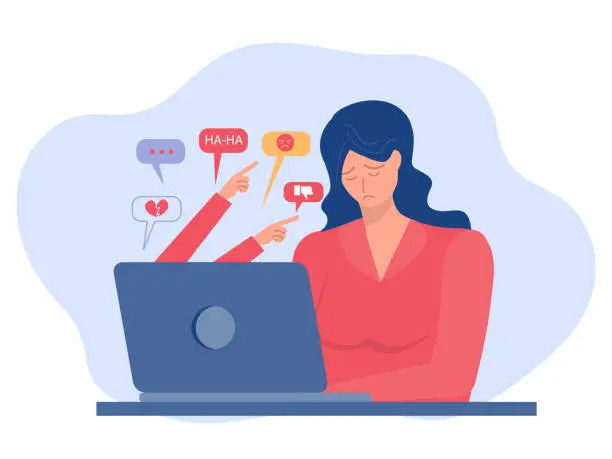
PTSD (Post-Traumatic Stress Disorder) can develop when one has experienced or witnessed a traumatic event. It can often manifest with nightmares, flashbacks, angry outbursts, feeling of detachment, emptiness, guilt and/or shame.
PTSD is often best treated with therapy, while medication may also help alleviate symptoms. Cognitive behavioral therapy (CBT) can help you recognize patterns of thinking and negative self-beliefs. When you are ready, exposure therapy can further help you address and overcome painful memories or situations, by gradual exposure to them.
Adjustment Disorder
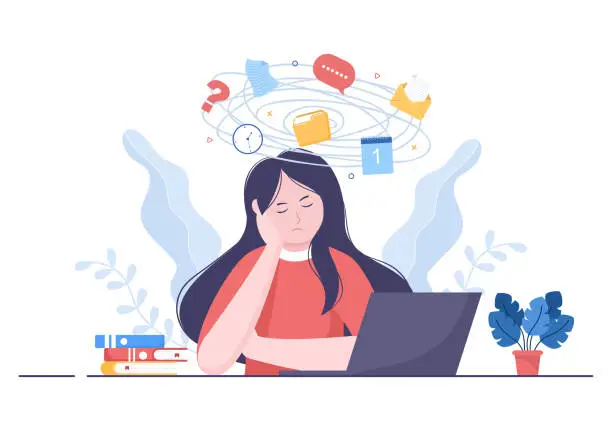
Struggling to adjust to changes in your environment? You might suffer from an Adjustment Disorder.
What is an Adjustment Disorder?
An adjustment disorder is an emotional or behavioral reaction to a stressful event or change in a person’s life. Stressful events or lifestyle changes could include moving to a different city, starting a new job, divorce/separation or loss.
When looking at a potential adjustment disorder, it is important to identify the underlying causes of stress; called “stressors”. In an adjustment disorder, one’s reaction to stressors are disproportionately stronger than what would expect, and interfere with social, occupational or educational functioning.
Although more common in children and adolescents, adjustment disorders can manifest at any age. Adolescent symptoms of adjustment disorders may be more behavioral, such as acting out or withdrawing. While adults who experience adjustment disorders tend to exhibit more depressive symptoms.
Psychotherapy is usually the first recommendation, and aims to help you build skills to respond better to stressors. Please feel free to contact us or make a booking if you think you might be suffering.
If you’re considering taking a time off from work, we recommend getting a doctor’s note via online/in-person consultation. We can mail the doctor’s note after taking the session if it’s conducted online. Please keep in mind that we cannot offer medication prescription for first-time patients online.